• Capacity Building

    Uganda Media Women’s Association provides specialized training in developmental communication, policy, human rights, conflict management, environment management;  reproductive health, public...

    Read More
  • Communication and Advocacy

    Media Code of conduct: After the realization that media in Uganda did not have a specific code of conduct UMWA together with Ministry of Gender lobbied the design of  a code of conduct for media...

    Read More
  • Rural Outreach Programme

    UMWA carried out a baseline survey in rural communities and found out that the community is demanding for more information services on government policies, programs, social issues, economic...

    Read More

Capacity Building

Capacity Building

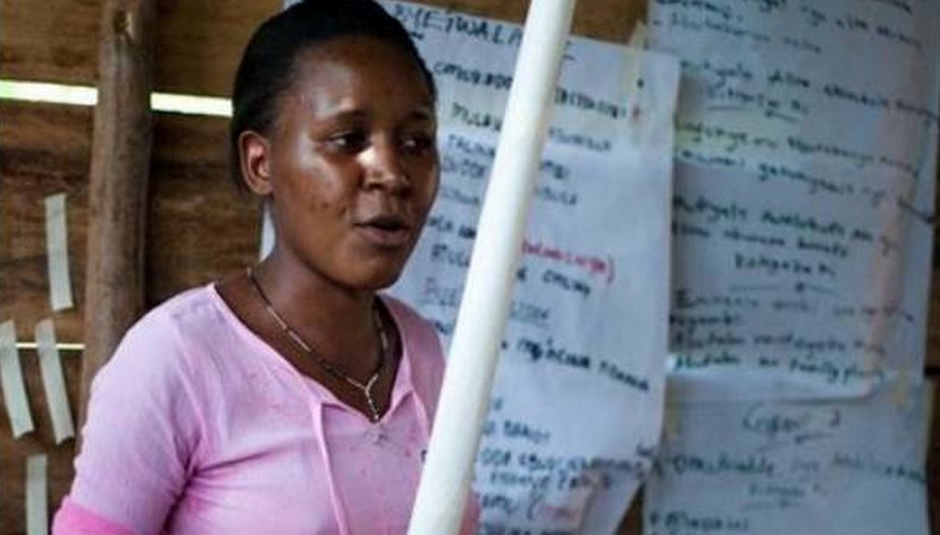
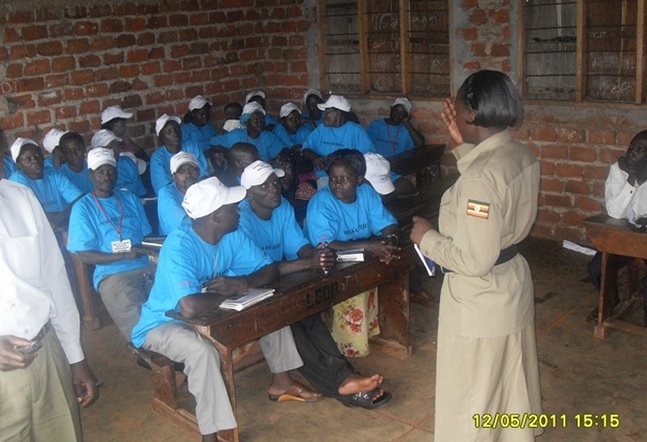
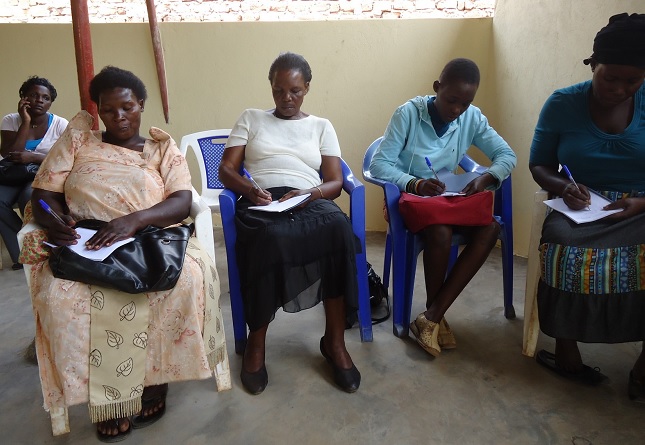
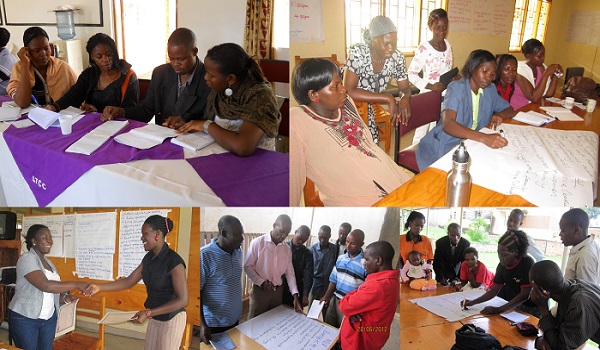
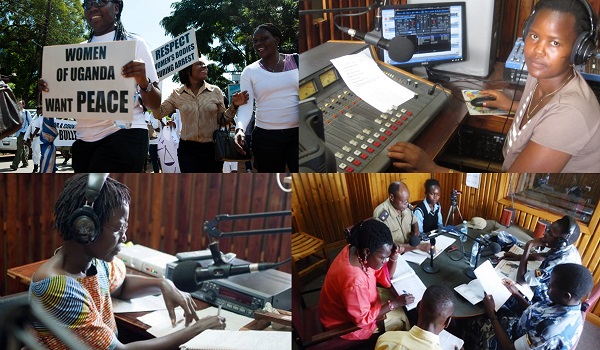
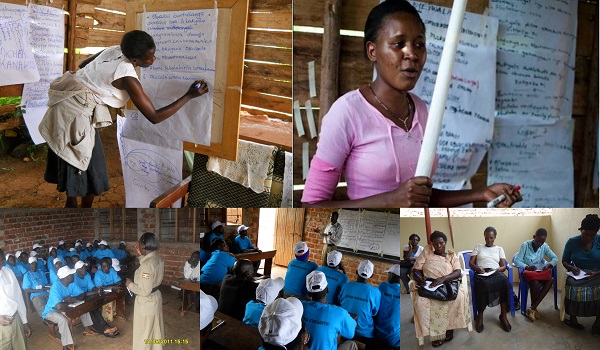
Uganda Media Women’s Association provides specialized training in developmental communication, policy, human rights, conflict management, environment management;  reproductive health, public speaking, lobbying and advocacy, etc.

UMWA has for the past ten years benefited from the Fredskorpset Norway exchange program where it’s own 22 women journalists have been exchanged with other professional media women associations in Kenya, Tanzania, Zambia, Ethiopia, Nepal and Norway.

UMWA has engaged a number of women journalists to understand the dynamics of democratic electoral processes by designing educational messages on governance issues to reach the whole country, train journalists in electoral processes in order to ensure that citizens are informed and are able to choose their leaders.

48 female journalists have benefited from different scholarships both locally (Uganda Management Institute ) and internationally.

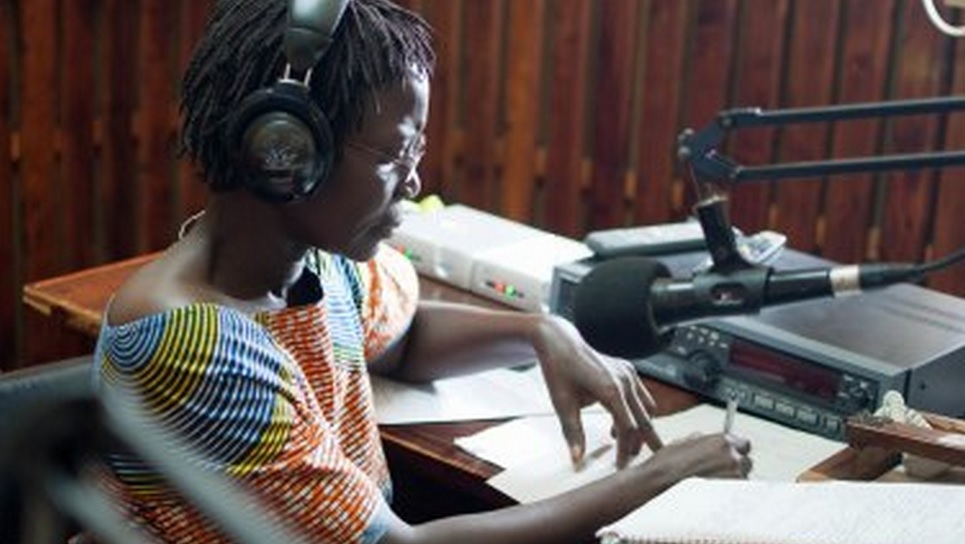
The capacity building program has helped women journalists gain skills and experience in development communication and gender balanced reporting, this has led to an increase of women in news rooms, editors, productions and talk show hosts and others.

UMWA trained over 100 journalists in child rights issue and engaged 21 editors on issues  on child sexual abuses. This project led to increase in the number of journalists submitting stories on the abuses.

The empowerment of women journalists has led to increase in the number of local women participation in developmental processes thus making better choices of preferred leaders, decision making and economic empowerment.

Communication and Advocacy

Communication and Advocacy

Media Code of conduct:

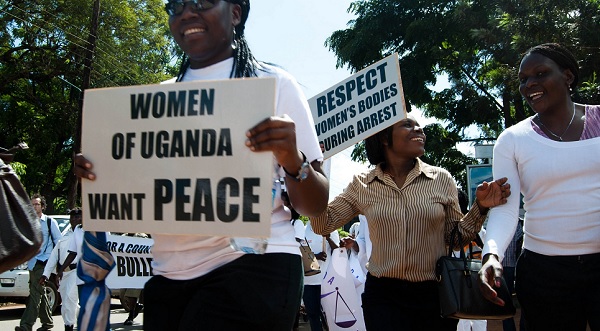
After the realization that media in Uganda did not have a specific code of conduct UMWA together with Ministry of Gender lobbied the design of  a code of conduct for media practitioners with regards to reporting on sexually abused children and gender based violence reporting. Today the media code of conduct on child sexual abuse and gender based violence is mostly used by majority of media houses in Uganda.

Gender Mainstreaming Strategy in Media :

The recent research in gender and media showed that over 70% of content in media is male dominated and the little 20% plus of content on women is mainly on stereotypes and gender roles. UMWA together with Ministry of Gender and UN-Human Rights drafted a gender mainstreaming media strategy.  UMWA is currently rolling out the strategy to all media houses and it is hoped the strategy will be widely used by 2016.  For purposes of enrolling the gender mainstreaming strategy in media UMWA continuously carries out media monitoring for Gender sensitive reporting especially in print and electronic media.  Press releases on the status of gender sensitive reporting is shared with different media houses and stakeholders for checks in order to improve representation of women in Media.

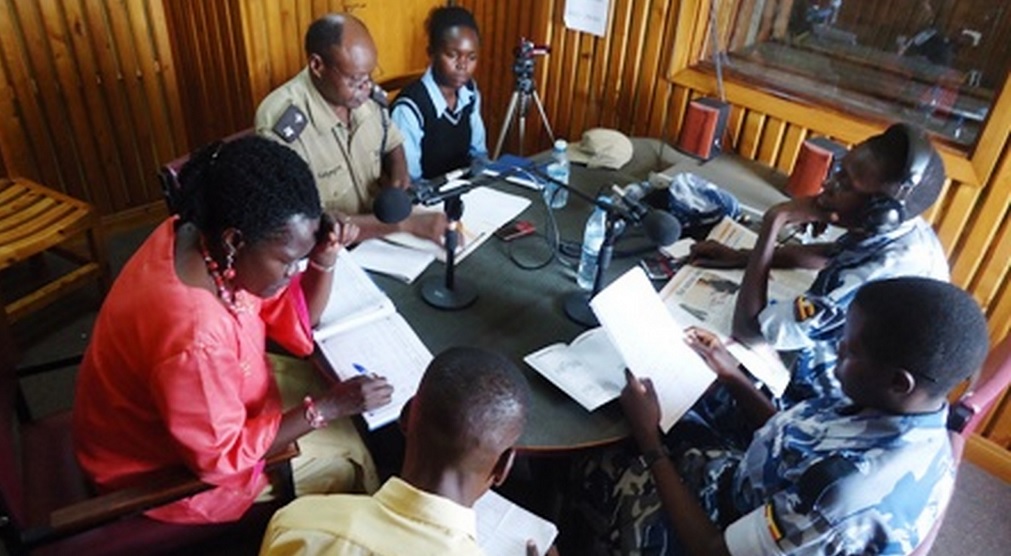
Radio: 101.7 Mama FM:

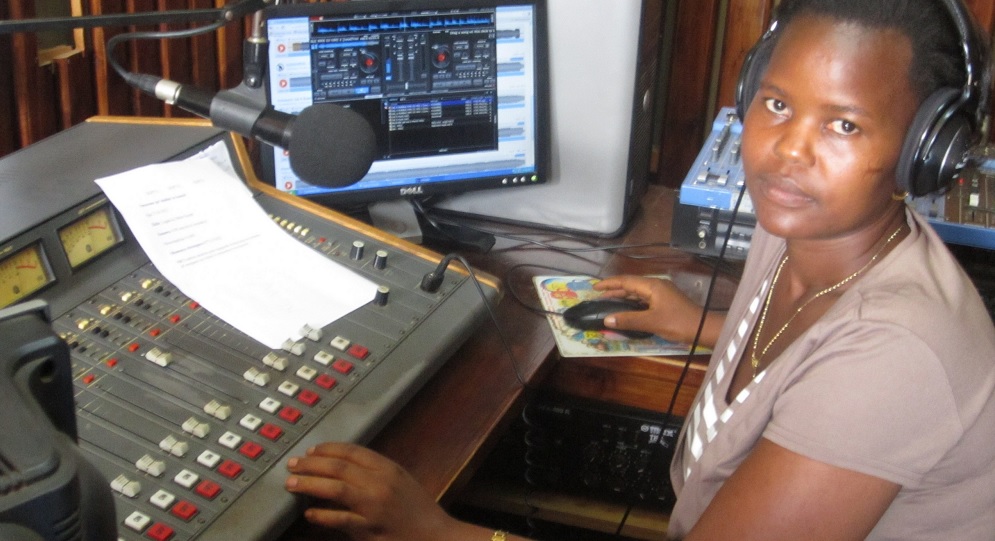
The aim of Mama Fm is to contribute towards empowering individuals and marginalized communities, especially women, by promoting their concerns and increasing their participation in the local and national development programs.  Check out our  Face book page

The Other Voice Edition:

The other voice (TOV) is a four-page advocacy and lobbying newspaper for the attainment of a fair and a just society. It was started in 1998 as a response to the unfair and inadequate coverage of women issues and other marginalized groups in Uganda. The news letter highlights negative/discriminative policies and laws, how they affect women and lobby for their reform. It also  generates and sustain gender debate for a fair and just society in Uganda.

Rural Outreach Programme

Rural Outreach Programme

UMWA carried out a baseline survey in rural communities and found out that the community is demanding for more information services on government policies, programs, social issues, economic empowerment, health services and local leadership. The study found out that communities didn’t have adequate information in the above mentioned  areas.

Gender and Education Programme on Domestic Violence Prevention 2009-2016:

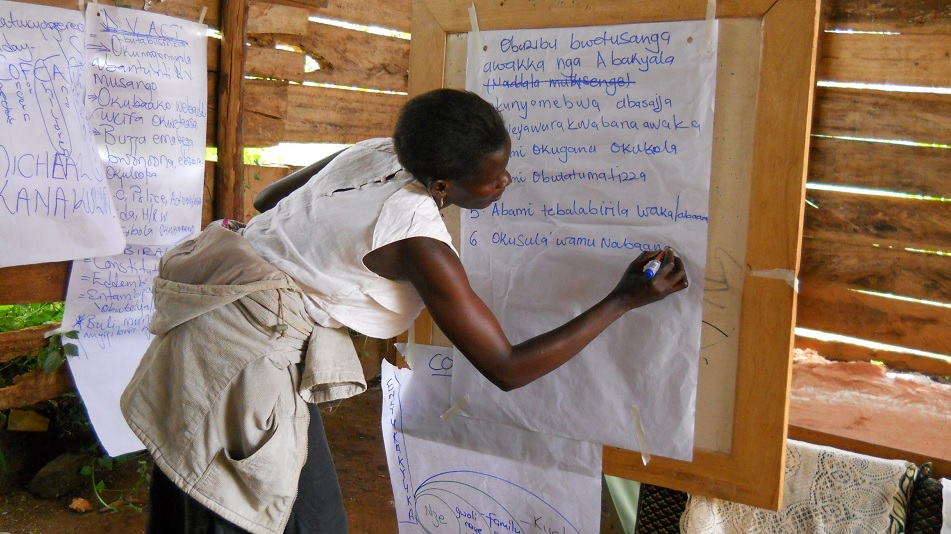
UMWA is implementing a Gender and Education Programme on Domestic Violence prevention in Kyankwanzi and Wakiso districts. The programme is works on the principle of  “Do No harm” and using the existing structures to change attitudes of rights holders and duty bearers on how they perceive domestic violence.

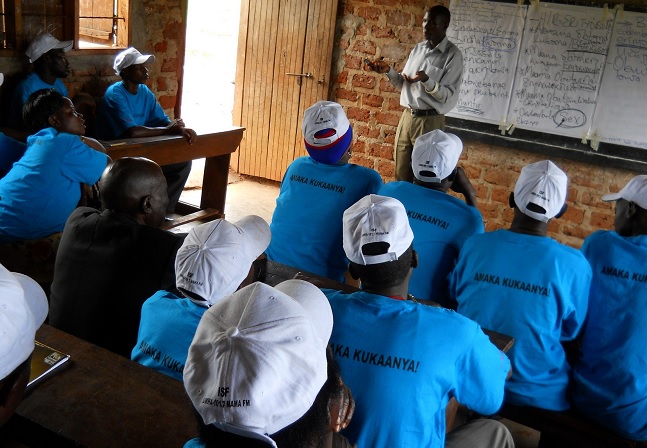
The project has provided information on the social ills of domestic violence and community can prevent it. Over 600 women and  men  have been trained and equipped with skills and knowledge in domestic violence prevention and conflict management through sensitization workshops, community drama, music and dialogues. Community issues are recorded and  aired on Mama FM to over 2.5 million listeners. Violence Watchers Clubs have been formed and these have reported reduced violence incidences in homes of the targeted areas. The project has also led to increased collaboration between police, UMWA and other NGOs working in this area and has also exposed human rights abuses. 

Get Smart Rural Women 2003-2010:

The project started 2003 to help rural women access timely and relevant information about government programs and policies in their areas, so as to enhance their knowledge / understanding, participation and benefit from them. Worked in 7 Sub counties of 7 Districts of: – Iganga (Ivukula); Mukono (Nabbale) and Masaka (Kingo); Luweero (Zirobwe), Kiboga (Mulagi); Soroti (Atiira) and Kampala (Kawempe Division).  Targeted a core group of 350 women with information and skills to enable them get involved in local government development programs such as NAADS, health, education among others to promote accountability.

The community has increasingly become critical of government’s intervention by demanding for services like National Advisory Agricultural Services(NAADS), Health services, education (Universal Primary Education)  and participation in local political leadership. A good example is Hajati Nabukeera Amina is now a woman leader for Kawempe division, Namugera Toepista is a woman secretary for Kingo-Masaka district, Nassiwa Margaret is a woman Councillor, Kiboga sub county etc.